If you’re a realtor, the feast-or-famine and commission-based nature of the industry might have you looking at other ways to secure more reliable additional monthly income.
But profitable, viable side hustles for real estate agents aren’t always easy to find.
For a start, they can annoy brokers, who don’t want you distracted from your main job—or your clients. And do you even have time to learn something new? Plus, a lot of recommendations you find online are unrealistic, like becoming an Uber Eats delivery person or an Instagram influencer overnight.
We’ve compiled a list of 14 side hustles for real estate agents that are realistic, profitable, and aligned with your career goals, skills, and experience. Best of all, they can boost your visibility and, hopefully, help you get more clients. To that end, we’ve covered how you, your clients, and your broker can benefit from each.
Table of contents
- The challenges of side hustles for real estate agents
- 14 real estate agent side hustle ideas that are profitable and realistic
- Side hustles for real estate agents: choose the best one for you
- Frequently asked questions about side hustles for real estate agents
The challenges of side hustles for real estate agents

One of the biggest challenges of working a side hustle is finding the balance between gigs, your personal life, and your full-time job.
Side hustles might conflict with your full-time job as a realtor if you pick one that has no direct benefit to your career, clients, or broker. But, you can pick ones that help you market yourself and increase your client’s portfolio.
Let’s take a look at the most common challenges of having a side job and how to overcome them.
1. Brokers might not like their realtors having a side hustle
Most realtors work on commission for a broker. And they might worry that you’ll pay too much attention to your side hustle and show up late for appointments or miss deadlines.
Your employer wants you to be fully focused on work. But you probably have spare time to take on additional non-work related responsibilities—especially if you’re a newly licensed realtor.
So, you need to make sure that you’re legally allowed to work on a side hustle and that it doesn’t generate any conflict of interest. You should also ask your broker for permission and consider whether you need to split a percentage of profits with them.
Of course, the best side hustle for real estate agents is always going to be one that complements your main job.
2. Side hustles can be operationally challenging
Side hustles can be emotionally demanding and time-consuming. For example, writing content for a real estate blog probably may require you to meet hard deadlines. This can become challenging long term as these deadlines might conflict with other responsibilities. Plus, you also need time for your personal life and family.
You should find a side hustle that can run with little intervention from your end, so you can enjoy your life and diversify your stream of income.
3. There’s too big of a learning curve
Some people won’t take a side hustle because they’re concerned they’ll need to learn new skills and don’t have the time. Or they just don’t have the experience. You probably want to make money quick as a new real estate agent, not spend ages learning a new practice.
Take advantage of your talents or the qualities you already have, so that having a side hustle can become easier for you.
14 real estate agent side hustle ideas that are profitable and realistic
As a real estate agent, there are many things you can do that are somewhat related to your job. So you won’t have a steep learning curve and you’ll be able to learn new things that will help your primary business, your clients, and your brokerage.
1. Outsource rental property management
A smart side gig is to manage other people’s investment property. Done the traditional, hands-on way, managing short-term rentals (STRs) this used to be a highly demanding job as you need to take care of:
- Marketing your vacation rental
- Collecting payments
- Screening guests and communicating with them
- Scheduling cleaners
- Supplying amenities
- Manually adjusting nightly rates to meet ever-changing demand
That’s not the case anymore if you choose to manage STRs as a realtor with the help of Jetstream and your cleaning company.
Jetstream is a vacation rental management agency that takes care of all the daily operations to manage properties remotely. We communicate with guests 24/7, manage your listings and promote them on different booking channels. We also adjust nightly rates to meet changing demand and maximize revenue. And finally, we schedule your cleaning and maintenance teams for the boots-on-the-ground type of work.
All of which means you and the owner can make monthly passive income without lifting a finger.
“The Jetstream solution is a great way for a realtor to add a six-figure side hustle to their business,” says Vernon Corum, licensed real estate agent, Founder of Staycating and the Short Term Pro. “Its business model is set up to be on auto-pilot thanks to the tech they use and the service and support they provide to make it successful.”
Read Vernon’s case study to find out more about how it works.
The benefits
This is highly favorable to your clients as you’ll be taking responsibility off of their plates and managing a successful STR. Plus, it secures you with a guaranteed monthly extra income. Your broker will also benefit from this as they can start diversifying their services and gaining more clients and profits. And you get to make passive income without worrying about doing any of the work.
The cons
The only downside to this side hustle is that it might be hard to find clients who are willing to delegate their STR business operations to you until you get some experience under your belt.
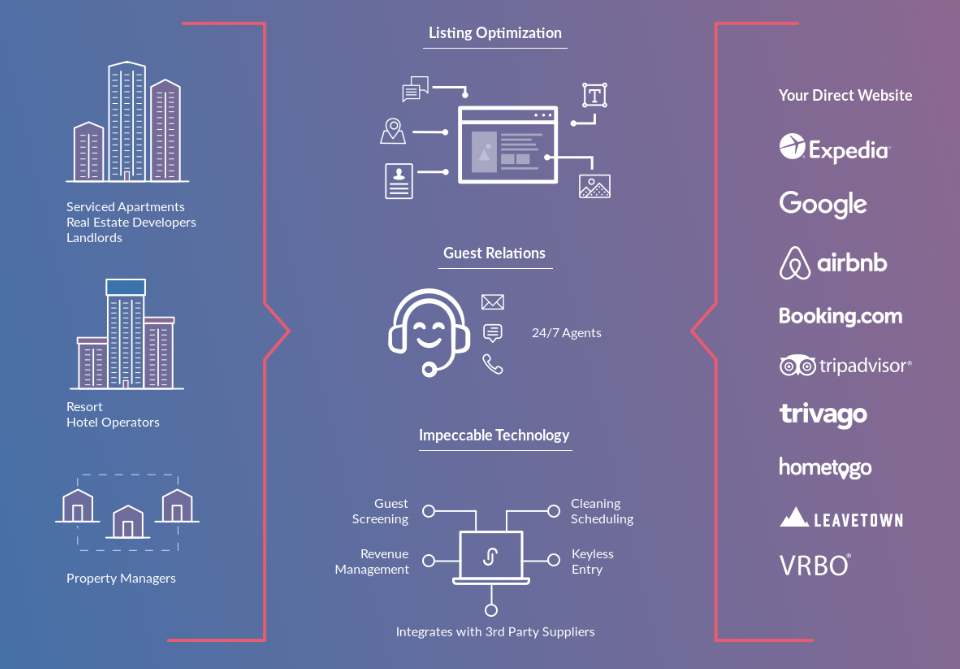
Jetstream is an all-in-one vacation rental management company that handles your STR daily operations remotely.
2. House hacking or rental arbitrage
House hacking is a business model for STRs. It means setting up a space in your home (like turning your studio into a bedroom) and renting it on Airbnb, or any online travel agency, for the night.
Rental arbitrage is similar, but you rent a property, furnish it, and decorate different rooms that you can also rent online. If you’re doing this, the property owner needs to give you their written consent.
With house hacking or rental arbitrage, you can rent your place to multiple people at the same time and make more money than you would by renting it long-term or as a regular whole-property STR.
The benefits
This is something you can do without the approval of your broker and don’t need to share the income with them. Doing house hacking or rental arbitrage are two ways of entering the short-term rental market without making a huge initial investment.
The cons
This practice won’t bring you additional real estate clients and you’ll need to spend time managing your properties.
3. Long-term property management
Managing someone else’s property for a long-term rental can also be a profitable side job. You’ll be responsible for:
- Setting the monthly rent
- Promoting and showing the property
- Screening and approving the tenants
- Preparing and getting the signature of tenants in the lease agreement
- Ensuring the property is clean and ready for the renter to move in
- Managing complaints and maintenance issues
- Collecting payments and paying bills
The benefits
Becoming a property manager can be quite profitable as you could earn around 10% of the monthly rent. Your brokerage can start offering this as an additional service and increase its revenue. And your clients will find this an added value as they won’t need to find someone else to manage their new property.
The cons
It can be time-consuming and difficult to find clients and suitable tenants.
4. Property tax appeals
Owners need to pay taxes for the property but you can appeal if the property is overvalued. Doing property tax appeals can bring in good money, especially for a side hustle, and it’s not as complex as you’d think. You only need to know how to make a competitive market analysis (CMA) and have good communication skills.
Once you have your CMA, you’ll need to attend to your county tax assessor’s office and inform them that they’re over-valuing your client’s property. If you can prove you’re right and they’re over-appraising the property for tax purposes, you’ll make a fee that’s linked to the savings to your client.
It’s common in some countries for properties to be overvalued, so you’re probably going to have various clients requesting this service.
The benefits
Doing tax appeals is highly beneficial for your clients as you can save them money. Your broker can make a percentage of this if they provide you with all the cases they get. Also, the brokerage can gain visibility: someone may come for this service alone and come back later to sell their property.
The cons
You can only do tax appeals on houses that are truly over-appraised and, while that’s common, owners might not be aware they’re paying more taxes than they should. So it can be difficult to find clients.

A low investment, medium reward type of job is doing property tax appeals for overly-appraised assets.
5. Traveling or remote notary public
As a notary public, you can validate people signing legal documents. You can offer both remote online notary (RON) and traveling notary services.
That means, you can either validate documents online or you can travel to your clients and charge extra for attending.
The benefits
This gig doesn’t require much training or initial investment. Sellers and buyers usually need to notarize the signing of paperwork. You can do it for your broker or other realtors and charge for that. You’ll also be benefiting your clients as they won’t need to find someone to do it or travel to another location. And, your broker can benefit as they can offer notary services as part of the closing process.
The cons
You’ll need to notarize several documents a month to make this profitable, especially if you’ll be sharing your earnings with your broker.
6. Influencer or affiliate marketer
Influencer marketing means creating content for social media and gaining a considerable number of followers (+10,000). Affiliate marketing is a way of promoting other people’s products and making a small profit out of each sale that comes from your affiliate links.
Share an “everything you need to buy for your new home” list with your clients and include affiliate links from online retailers. You’ll need to disclose that you’ll earn a fee if they purchase any of the products in the list, but you’ll be adding value and earning a commission if they purchase using your links.
You can also pay an influencer to promote your affiliate lists.
The benefits
Affiliate marketing is great as you’ll only need to make an effort at the beginning to collect all the different links and create as many lists as you want. Then, send them to your clients.
Your clients will benefit as you’re saving them time and energy by giving them a complete list of everything they need at their new property. Your broker will see the benefit as you’ll be providing your clients with valuable information. And that means they might refer the company to others or come back to sell their property later.
The cons
Affiliate marketing is great for unexpected royalties but, unless you’re an influencer yourself, or can get someone with a large social following to promote your links, it’s hard to make lots of money. And if you want to become a real estate influencer, you’ll need to create a content marketing strategy to grow your audience, which can take time and effort.
7. Estate sales
When someone dies or downsizes their property, a family member or the executor of the estate contacts an estate sale company to get it to sell the property.
To handle these sales, you’ll need to decide whether to do it alone, with a partner, or create a limited liability company (LLC). Then, you’ll need to get a business license and a seller’s permit from your local government agency.
Research your local laws and regulations to see if you need to get any additional licenses to manage this side business.
The benefits
Becoming a professional estate sale agent is a quite profitable option as estate companies can charge anything from 25%-50%. Your broker will see an immediate benefit from this as you can bring a big chunk of money to the company. Plus, you can become an all-in-one agent for your clients, solving any real estate needs they might have.
The cons
This isn’t a steady monthly gig either. Selling estate is also an uncertain market, so you won’t be getting a guaranteed monthly paycheck from it.

Selling estate property can be a highly profitable side hustle. However, it’s time-consuming and doesn’t have a guaranteed paycheck.
8. Content writing for real estate blogs
Another good way to make money on the side is by becoming a freelance real estate agent blogger. Start by working for an established website as a collaborator, rather than creating and growing your own blog from scratch. Unless you either have a strong presence on social media or have search engine optimization (SEO) knowledge, it will take a lot of time for you to grow in readership and get paying members or ads.
If the website owner lets you, you can include affiliate links to your blog posts, or publish the same articles on a Medium account or similar and add the links there. Note that if you’re reposting on your Medium or any other site, you should add a disclaimer that the article was originally published by the person you’re working for.
The benefits
When you work as a writer, you get extra income for writing about topics you already know. If you publish under your name, you can build a following and establish authority in the industry, which can bring you future clients.
Your broker will see the benefit in this if you write good quality content and mention the brokerage in your bio as that can bring in new clients. Also, if you grow an audience, you’ll become trustworthy and will likely get more deals.
The cons
Writing isn’t easy. You’ll need to research and spend time writing, proofreading, and editing your work. You’ll also work with strict deadlines and it can be overwhelming at first.
9. Bird dog
A “bird dog” looks for undervalued properties in the market and shares the intel with real estate investors for a flat fee or a percentage of the profits.
Basically, you’re in charge of finding short-term rental opportunities for investors who want to make a profit fast. This side gig is something you can do by searching the web, but it might take some time for you to visit the properties and find investors who are willing to make a deal.
The benefits
Bird dogging can lead to an increase in clients as you might get referred by investors. Also, if you know where to look and how to estimate values, you can earn thousands of dollars out of being a bird dog alone. Your broker will see an increase in revenue coming from you and your clients will be able to turn to you for their real estate needs—like buying or selling investment property.
The cons
It can be difficult to train your eye and become an expert in property appraisal. Also, you’ll need to find, connect with, and earn the trust of property investors. That might be time-consuming as you’ll need to attend events and go places just to network.
10. Home inspector
As a home inspector, you’ll need to inspect properties in-depth before the final sale. The inspection should cover all parts of the home:
- Outside
- Inside
- Plumbing and electrical issues
You should determine whether there is any structural, safety, or systemic damage to the property.
The benefits
By becoming a home inspector, you can offer this service to your regular real estate clients, get a higher commission or an additional fee, and increase the value you provide to them. You can also offer this service to other buyers and sellers.
Your broker can take the opportunity to include home inspections as part of their service portfolios and help you promote this business for a cut of your earnings.
The cons
To become a home inspector, you’ll need to get training and certification in most places. Study your state’s laws and regulations to ensure you’re holding a compliant practice. Also, it can be a repetitive job, so you need to be the kind of person who doesn’t get bored easily.
11. Photographer and videographer
All listings need high-quality images to increase the chances of getting people to visit and buy them. Also, many new property owners pay for photoshoots and videos of their new home either to promote their investment or share it with friends.
If you have an eye for photography, you can take some courses on real estate photography and videography, get a camera and lights, and start offering this service.
The benefits
This is beneficial to you as you get to do something you enjoy and make money out of it. Your broker might help you boost your business for a cut of the profits, and your clients will be happy if they don’t need to contact an additional vendor.
The cons
Taking professional videos and pictures isn’t easy or cheap. You’ll need to invest in good equipment, do a real estate photography course, and get assistants for production days. It’s also strictly a day job as you need to have good lighting to photograph the house.

Becoming a real estate photographer can be a fun way of combining your hobby with your job.
12. Real estate crowdfunding
This is a real estate investing model where you partner with other investors to pay for a property that you can then sell and split the profits accordingly. Or you can use it as a vacation rental.
Crowdfunding is an alternative to becoming a property investor without taking out a loan or paying the mortgage all by yourself.
The benefits
One of the biggest advantages is that you don’t need to include your broker in this side investment. Also, if you do this along with being a bird dog, you might find really profitable opportunities. You can even partner with former clients and help them make a good investment.
The cons
The investment is high and the return isn’t secured. It can also be difficult to get all the investors on board with the same decision—you may end up selling late and losing money.
13. Home staging
Home staging is the practice of arranging the house furniture and decoration in a way that looks appealing to potential buyers. It’s a great side hustle as many real estate agents require this service before they show properties.
The benefits
There are many online courses where you can learn to do this. If you have an eye for home decorations and design, this might be your chance to take advantage of that special talent.
You can do this at your brokerage and for your own and other agents’ clients. That way, you’ll add value to both your broker, clients, and network.
The cons
It’s a job that requires you to be on top of trends, researching in your free time, and networking with furniture manufacturers. You also need to do a lot of physical work, either supervising a team or moving things from one place to another.

Home staging is about making properties look good and appealing to buyers. Learning how to do this can bring you an alternative source of income and also increase your chances of making sales.
14. Lead generation for real estate
As a realtor, you’ll likely become an expert in lead generation and hone your real estate agent sales skills. You can sell those services to other agents. This means you’ll need to come up with a lead generation strategy and a process to qualify them. Then, you can send the curated list to your employer so they can continue working on them and making a sale.
The benefits
One of the biggest advantages of this side hustle is that you get to use your skills to make an additional profit while also strengthening those skills. So you get to try different strategies for others that will also help you boost your own business.
You can add value to real estate clients by connecting them to an agent that will solve their needs in a timely and efficient way.
The cons
One of the disadvantages of this side hustle is that your broker might not be on board with this as you’re giving away potential prospects to the competition. Also, the profit coming from generating leads for others might be less than what you could make if you turn those prospects into clients and earn a commission.
Side hustles for real estate agents: choose the best one for you
You’re working on commission in a feast-or-famine industry, so you’re looking for a side hustle. But maybe you’re worried about your broker or clients thinking you won’t have enough time for them. Or that you’ll need to learn a new practice from scratch.
If you’re looking at alternative ways to make money as a real estate agent, the first thing to do is to ensure your broker is okay with you having a side hustle. To get them on board, look into a side job that’s aligned with your real estate career instead of becoming a virtual assistant or driving for Uber, for example.
If you’re okay with having to spend a considerable amount of time on this side hustle, you might want to try becoming a property tax appeals or a home stager. These are two ways to start making money fast with little initial investment.
However, if you want to get a steady and truly passive new stream of income, you should try managing short-term rentals by outsourcing to Jetstream. You won’t need to learn anything new or be involved in day-to-day operations. You only need to give us the contact information of your cleaners and install a keyless lock and we’ll do the rest. Best of all, we work on a shared success model—so we don’t get paid until you do.
Frequently asked questions about side hustles for real estate agents
How can real estate agents make extra money?
Real estate agents can make extra money with different types of side hustles:
- No investment, high reward like managing someone else’s short-term rental using Jetstream
- Big investment, high rewards like house flipping, house hacking, or real estate crowdfunding
- Some investment, medium reward like real estate photography, remote online notary, or home staging
- No investment, medium reward like managing someone else’s long-term rental property
What is the best way to make money in real estate?
The best way to make money in real estate is by managing someone else’s property as a short-term rental.
You can partner with a vacation rental management agency like Jetstream to outsource all the daily operations, and earn a passive monthly income for you and your clients without lifting a finger.
What’s a good side hustle for real estate agents?
A good side hustle for real estate agents is home staging, content writing for real estate blogs, or property management for short and long-term rentals.
How do you start a side hustle in real estate?
To start a side hustle in real estate, you need to determine how much time you can dedicate to this second job and how much money you want to invest. Then, you can choose from a long list of options that include:
- Managing short and long-term rental properties
- Becoming a bird dog
- Traveling and remote online notary
- Home staging
- Estate salesperson
- Property tax appeals